01 / Research
Understanding educator experience
Investigating how rural teachers make meaning of formative observation feedback—and what school leaders can learn from their voices.
Explore research →My work connects classrooms, rural communities, and higher education. Drawing on two decades in education across rural Alaska and Minnesota, I connect research to practice to support educators, strengthen leadership, and expand opportunity.
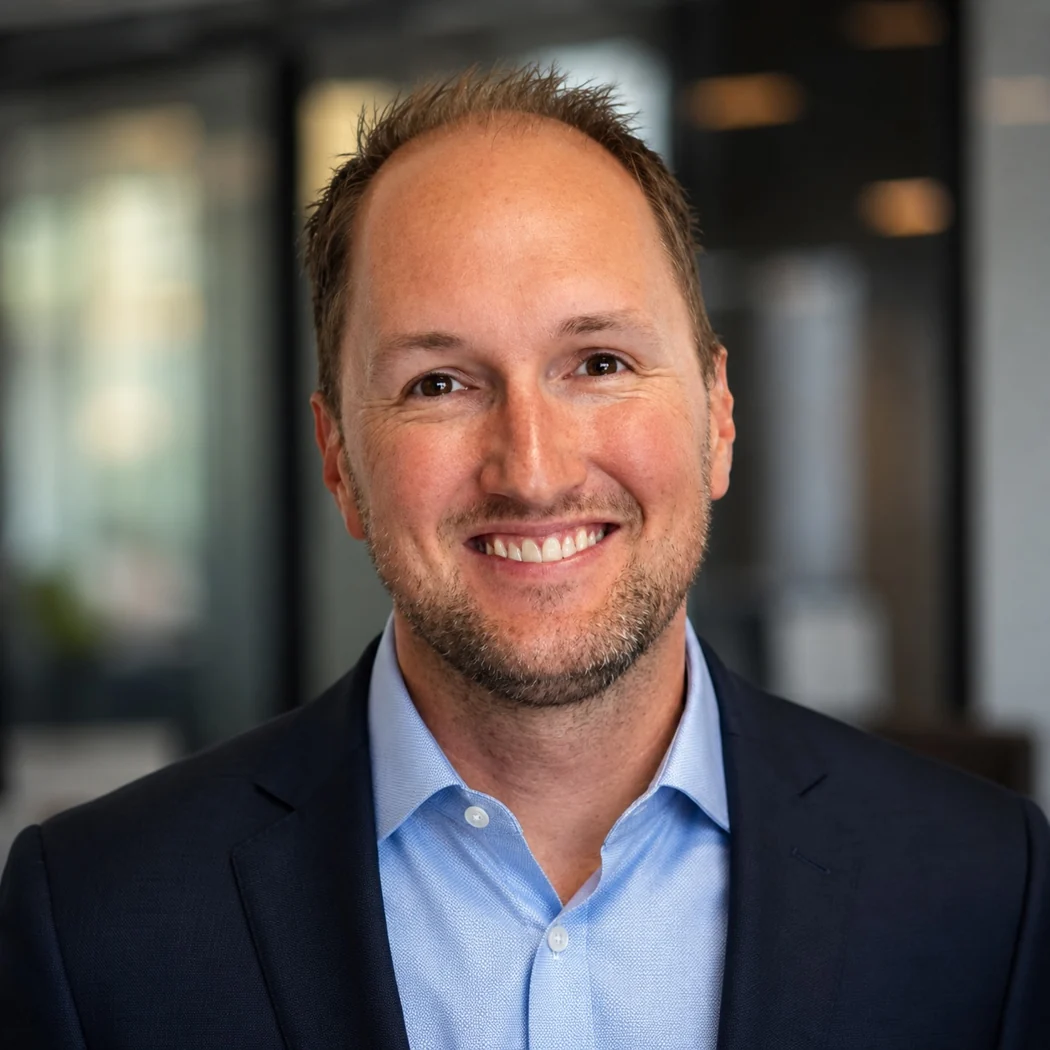
Across college and university classrooms and rural school systems, the most meaningful improvement begins with listening, partnership, and evidence.
Investigating how rural teachers make meaning of formative observation feedback—and what school leaders can learn from their voices.
Explore research →Teaching, mentoring, and supervising future educators through authentic tasks, ambitious instruction, meaningful dialogue, and feedback.
Explore teaching →Bringing experience in instructional coaching, administration, curriculum, grants, and community partnerships to complex rural contexts.
Explore leadership →“Strong schools grow when educators are trusted as professionals, supported as learners, and heard as partners.”
A statement of professional philosophy, not a participant quotation.
From remote Alaska communities to Minnesota's North Shore, my work has reinforced the importance of context. Rural schools have distinctive relationships, strengths, responsibilities, and opportunities. Those realities shape how we lead, teach, study, and build partnerships.
A few examples of how I develop learning experiences, collaborate on school improvement systems, and translate research into practical resources. A 2022–23 peer-observation survey also offers descriptive educator feedback on the timeliness and value of the coaching process.
Served on the Cook County Schools task force that co-developed a new locally responsive teacher development and evaluation framework aligned to Minnesota's revised expectations.
Explore the leadership case study →Participating in a staged course redesign connecting state standards, undergraduate/graduate expectations, ambitious mathematics teaching, and authentic assessment.
Explore the course design case study →Designed peer observation protocols and helped co-develop district-wide learning events, creating time for educators to learn from one another.
See practice-based examples →My dissertation explores how teachers in rural schools experience and make meaning of formative feedback from classroom observations. Their perspectives invite school leaders to reconsider how trust, teacher agency, dialogue, and organizational conditions shape professional learning.
Descriptive phenomenological study · 10 interviews · 9 reflective journals
Interconnected findings about meaningful formative feedback
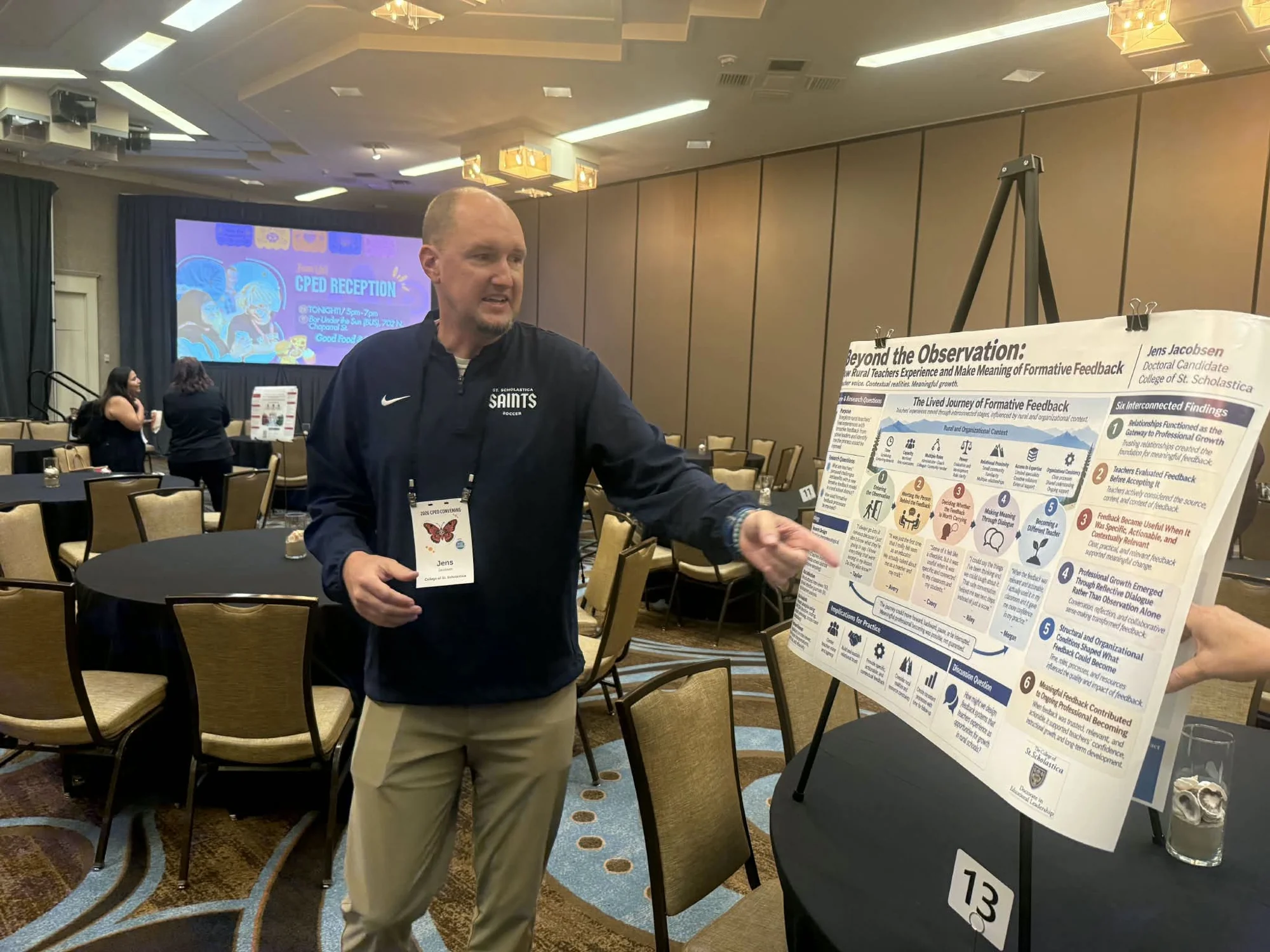
Reframing Formative Feedback Through Teacher-Centered Praxis
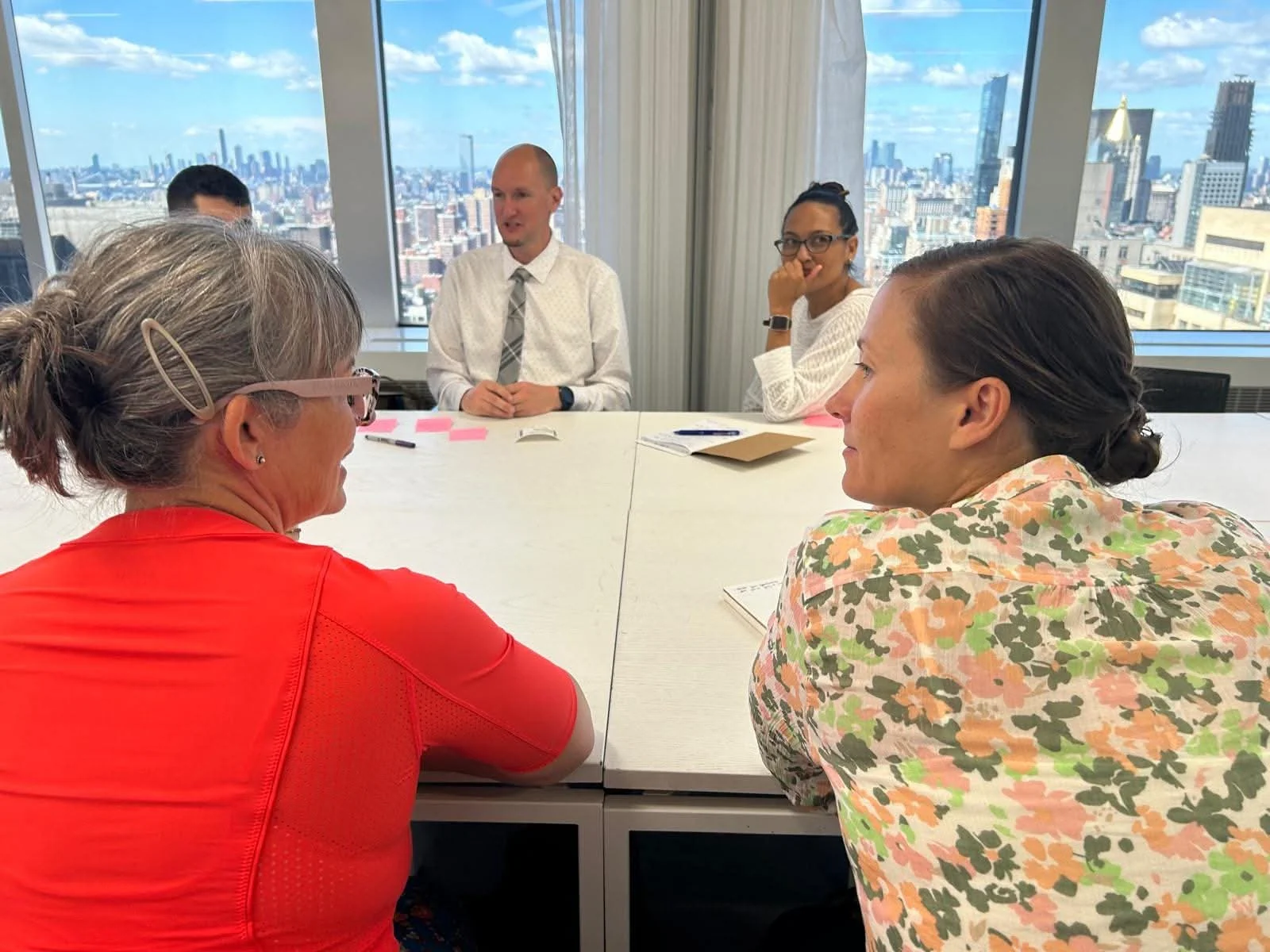
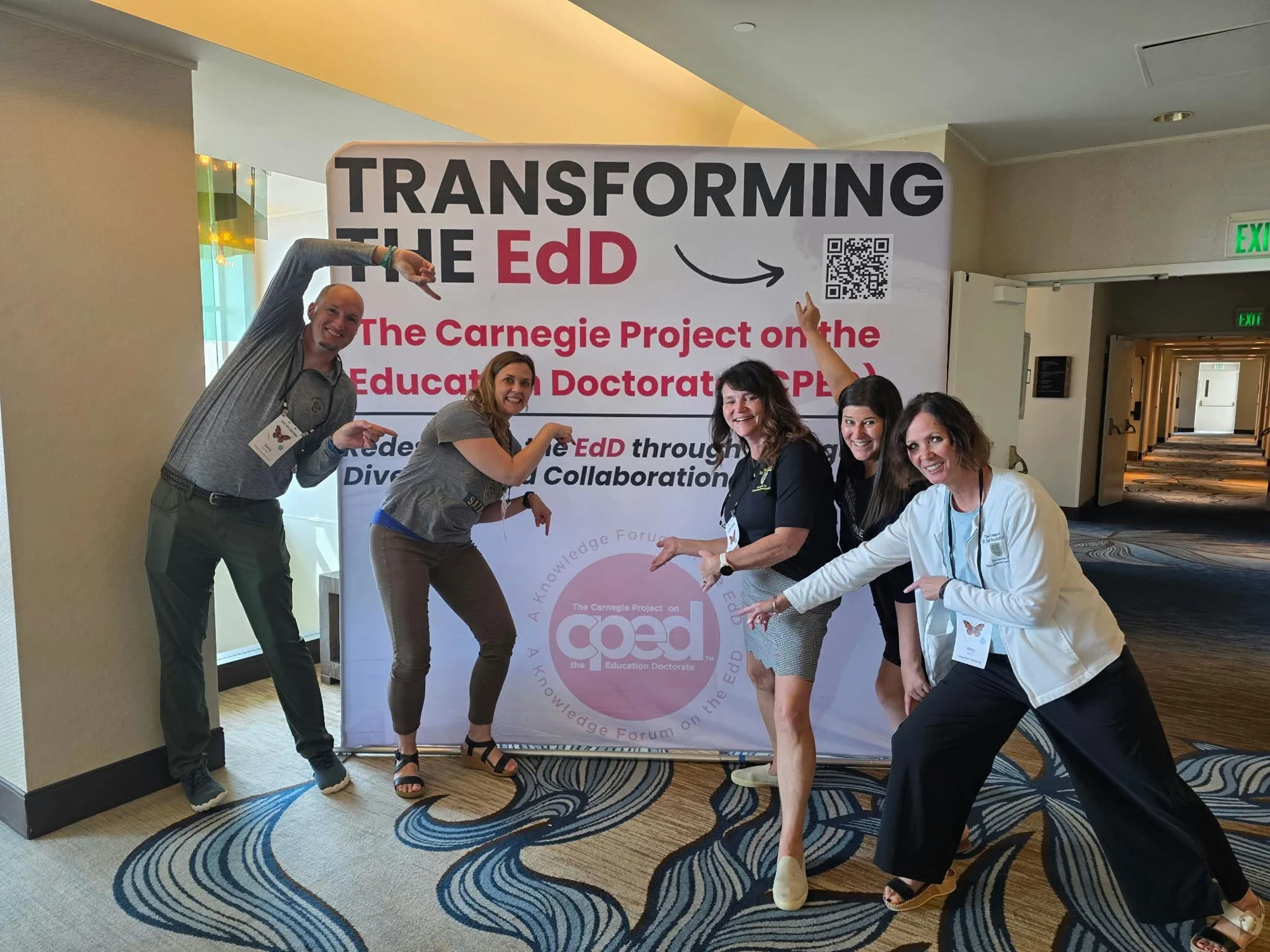
At the 2026 CPED Convening in Corpus Christi, I shared research exploring how rural teachers experience observation feedback, and why trust, agency, and dialogue matter for growth-oriented practice.
See presentation details ↗Rural education remains at the center of my work, while research, recognition, and international exchange continue to shape how I teach and lead.
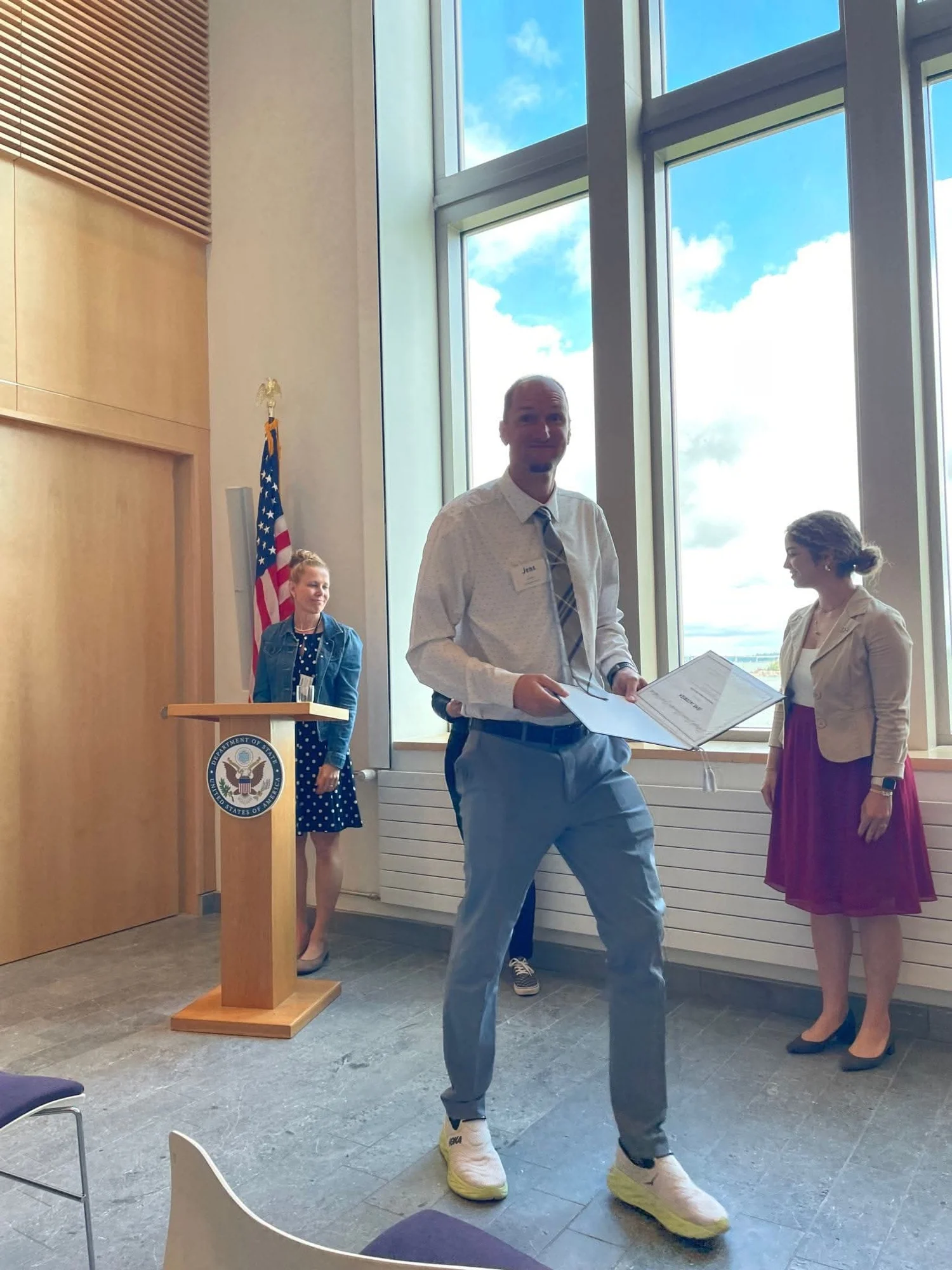
A four-week educational exchange examining teacher learning, well-being, sustainability, and Finnish society.
Explore global perspectives →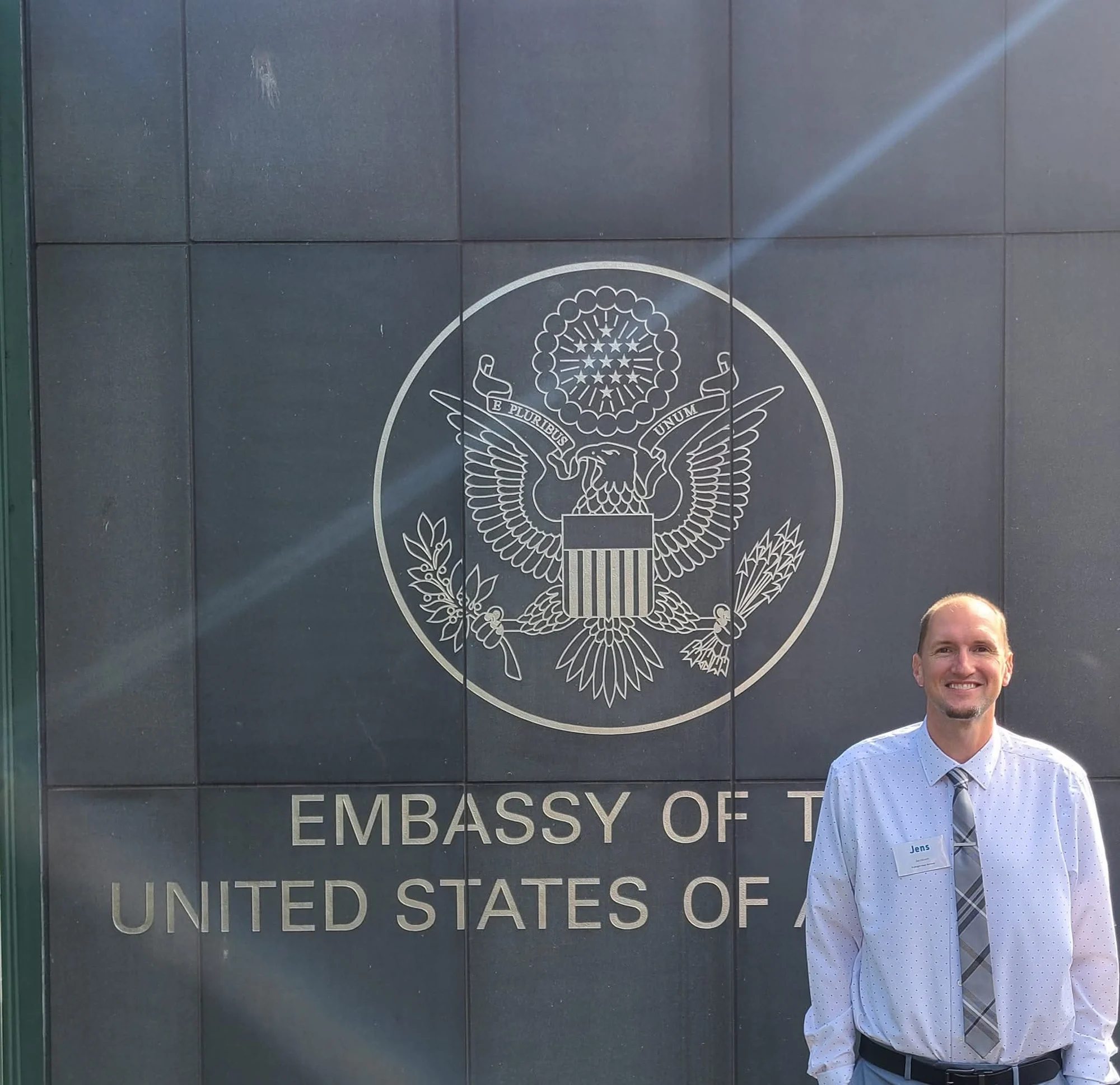
Continuing international exchange through service on the Friends of Fulbright Finland Alumni Council.
Read about the appointment →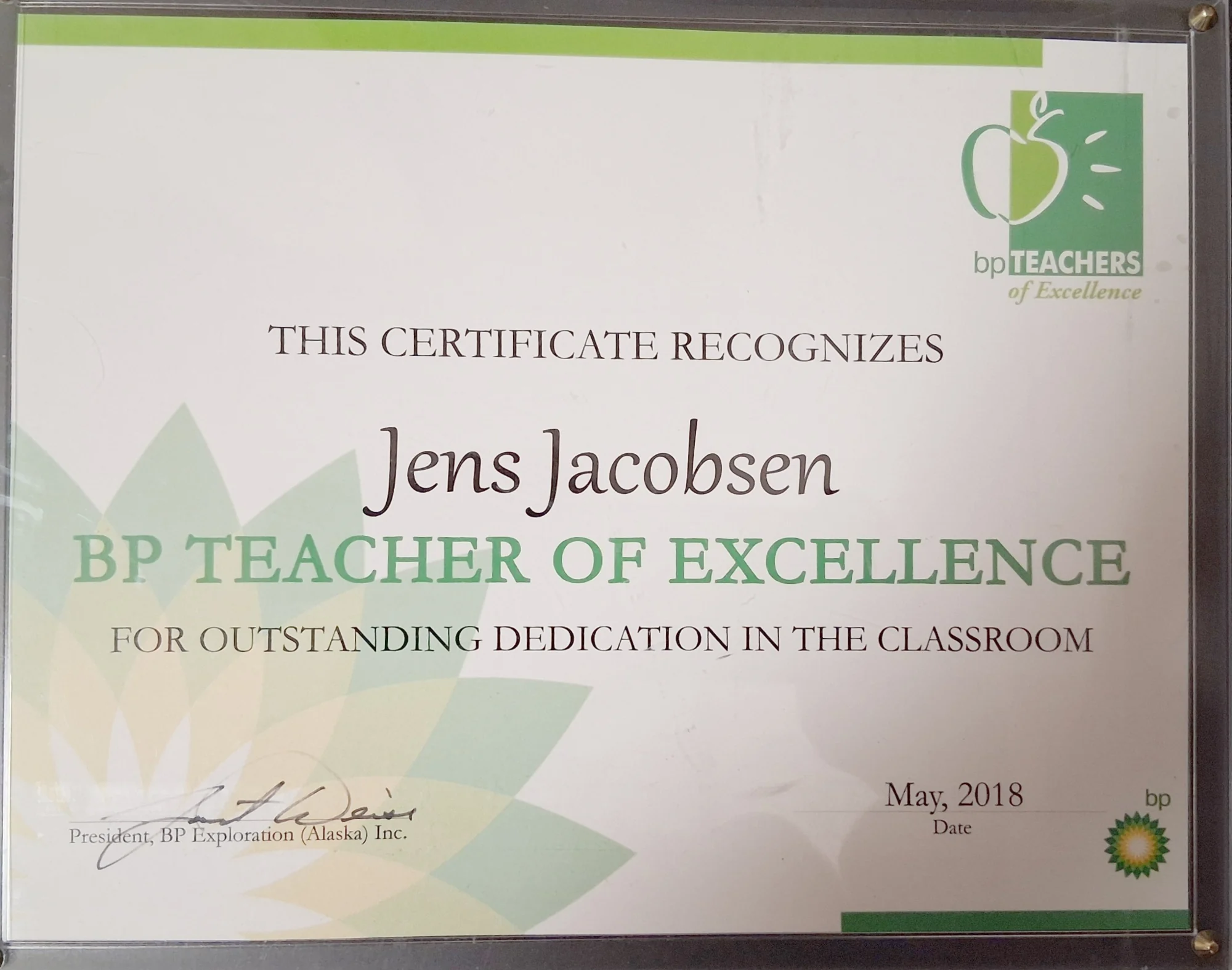
Recognized for outstanding classroom dedication during my work as an educator in rural Alaska.
Explore recognition →Adjunct teaching at the College of St. Scholastica alongside districtwide professional learning and community education in Grand Marais.
Four weeks in Finland studying education, well-being, sustainability, and international perspectives.
Teaching, principalship, STEM and curriculum direction, federal programs, and district leadership across multiple Alaska contexts.
I bring the perspective of a teacher, school leader, instructional coach, graduate instructor, and emerging researcher. This range of roles helps me translate academic concepts into realistic decisions educators make every day.
My continuing interests include teacher preparation, educational leadership, qualitative inquiry, rural school improvement, and comparative education.
Read my professional story →I welcome conversations about college and university teaching, collaborative inquiry, rural education partnerships, leadership development, and professional learning.
Start a conversation ↗My career began in secondary mathematics classrooms and has expanded into PreK–12 administration, instructional coaching, curriculum direction, graduate instruction, and college and university teacher preparation. Across those experiences, I have remained interested in one central question: how do educational systems create the conditions for educators—and the learners they serve—to grow?
Rural communities in Alaska and Minnesota have been especially formative. Working where school roles, relationships, community priorities, and resources intersect has shaped how I understand leadership and educational improvement. Those experiences inform the questions I ask as a researcher and the experiences I create for my university students.
Today, I serve in instructional coaching and community education at Cook County Schools in Grand Marais, Minnesota, while teaching secondary mathematics methods at the College of St. Scholastica. I am pursuing my Ed.D. in Educational Leadership, with anticipated completion in May 2027.
My aim is to contribute to higher education through teaching, mentoring, applied research, and partnerships that connect institutions with the communities they serve.
A personal reflection on place, professional learning, teacher preparation, and where I hope to contribute next.
For much of my career, I have worked in communities where the school is closely connected to the people and place around it. In rural Alaska and northern Minnesota, I have taught mathematics, served as a school administrator, directed curriculum and grants, coached teachers, and helped expand learning opportunities for students and families. Those experiences have shaped how I think about education: meaningful improvement begins with understanding a community, listening to the people doing the work, and building on the strengths already there.
I care deeply about rural education because I have seen both the opportunities and the demands that come with teaching and leading in smaller school systems. Educators often carry multiple responsibilities, relationships extend well beyond classroom walls, and decisions that look straightforward on paper can be complicated in practice. Rural schools also have tremendous assets—community knowledge, strong relationships, ingenuity, and a shared investment in young people. I believe the people in these schools deserve research, resources, and professional preparation that take their contexts seriously.
That belief connects my leadership practice with my doctoral research. My current study examines how teachers in one rural school district experience formative feedback following observations by school leaders. Their accounts have reinforced the importance of trust, teacher voice, specific and relevant feedback, reflective dialogue, and the organizational conditions that make professional learning possible. I want my work to help leaders think beyond whether a required process was completed and consider what teachers actually carry forward from the experience.
In higher education, I bring these practical questions into teacher preparation and graduate learning. Teaching Secondary Mathematics Methods and working with teacher candidates allow me to connect research with the instructional decisions educators face every day. I value rigorous tasks, thoughtful discussion, attention to student thinking, and opportunities to practice, receive feedback, and revise. I want future educators to leave their preparation programs with sound professional judgment, a commitment to equity, and the confidence to keep learning throughout their careers.
My 2024 Fulbright-Hays experience in Finland added another perspective to that work. Learning about trust, well-being, outdoor education, and inquiry-based teaching reminded me of the value of looking beyond familiar systems. It also strengthened my conviction that promising ideas should be adapted thoughtfully to local needs rather than copied without regard for context. I have carried those themes into curriculum design and professional learning for educators.
As I continue my work in educational leadership, higher education teaching, and applied scholarship, I hope to contribute to a higher education community that values both evidence and experience. My goal is to help prepare reflective teachers and leaders, strengthen connections between colleges, universities, and rural schools, and produce scholarship that educators can use in meaningful, practical ways.

My wife, Mindy, and our three sons, Chance, Kysen, and Finnley, are at the heart of life beyond my professional roles. We are fortunate to call northern Minnesota home, surrounded by the natural beauty and close-knit communities of the North Shore.
Family and place have shaped how I see education: relationships matter, communities matter, and learning is connected to the lives people lead outside school walls.
In 2024, I participated in the U.S. Department of Education–funded Fulbright-Hays Seminars Abroad program in Finland. The seminar, Demystifying the Infrastructure of Happiness in Finnish Society, created opportunities to learn with Finnish educators, researchers, and fellow U.S. participants about teacher preparation, trust, well-being, learning environments, and the role of nature in education.
That experience strengthened my commitment to asking what a new perspective can teach us while respecting the distinct cultures and needs of the communities we serve.
In 2026, I joined the Friends of Fulbright Finland Alumni Council, continuing the connections through alumni engagement and educational exchange.
Understanding people, context, and local realities is essential to meaningful decisions and enduring relationships.
Scholarship has its greatest value when educators can use it to sharpen reflection, judgment, and professional action.
Effective professional learning makes room for teachers' expertise, reflection, and voice.
Rural contexts deserve approaches informed by their distinct strengths, relationships, and needs—not generic assumptions.
Credential details and current license status should be verified before the public launch.
Explore my research, higher education teaching, and the ways rural contexts have influenced my thinking.
Explore the research →Formal study title: The Experiences of Teachers in Rural Schools with Feedback from Formative Observations by School Leaders.
This qualitative study explores how teachers in one rural school district experience, interpret, and respond to feedback following formative classroom observations. It examines the perspectives teachers bring to feedback and the conditions under which feedback contributes to reflection and professional growth.
Using descriptive phenomenology and inductively oriented thematic analysis, I sought to stay close to teachers' lived experiences while identifying meaningful patterns across their accounts.
The findings suggest that feedback is not simply information delivered by an observer. Teachers actively interpret it in light of relationships, professional priorities, classroom realities, and opportunities for dialogue.
Feedback becomes formative through teachers' engagement with another perspective—not merely because feedback was delivered.
My dissertation is the starting point for a longer-term program of scholarship connecting rural teacher experience, educational leadership, and meaningful professional learning.
Three linked lines of inquiry guide the work: teacher voice and professional agency, rural leadership and organizational conditions, and research-to-practice innovation in teacher preparation. Future studies and partnerships are proposed directions, not completed projects.
Download Scholarly Research AgendaTwo-page scholarly agenda · Proposed directions for research, partnerships, and publication.
How trust, context, and professional judgment shape what educators carry into practice.
How small-school structures, relationships, and resources shape meaningful growth.
How tools like TRUST and partnerships between schools and higher education institutions might be refined and studied.
Both pages are visible below. Select a page to open the complete PDF, or use the Download PDF link.


These findings reflect the experiences of ten teachers in one rural district. They offer practice-relevant insights, not universal conclusions about all rural schools.
Trust, psychological safety, and understanding a teacher's context shaped openness to feedback and professional reflection.
Teachers weighed credibility, relevance, student needs, timing, and professional priorities before deciding what to carry forward.
Concrete evidence and feasible next steps were more useful than praise without a clear connection to classroom practice.
Two-way conversations let teachers clarify thinking, explain decisions, and consider perspectives beyond their own.
Time, scheduling, role clarity, consistency, and overlapping rural relationships influenced feedback experiences.
Meaningful feedback sometimes appeared as increased understanding or confidence rather than immediate observable change.
Research-to-practice communication developed for rural Minnesota school leaders.
Webinar development · Beyond the Observation
I developed a leader-focused webinar translating six interconnected findings into discussion prompts, possible observation-conference refinements, and reflection on what teachers actually experience. The materials draw a clear line between what the qualitative study found and practices leaders could test locally.
The webinar materials are prepared as a dissemination resource; this portfolio does not imply that every proposed practice has been validated or that a specific event has already taken place.
See research and practice resources →Core messages for leaders
Based on the 2026 webinar deck and dissertation executive summary. The study examined 10 teachers in one rural school district; it did not test a new intervention.
Descriptive phenomenological qualitative research focused on lived teacher experiences. Sources included semi-structured interviews and reflective journals. Analysis was inductively oriented, supported by bracketing, reflexive memoing, and MAXQDA.
My dual perspective as a practicing instructional leader and researcher shaped the project. Reflective practices, clear role boundaries, and member checking helped me attend to that position while prioritizing participants' accounts.
Ten teachers contributed interviews, and nine provided reflective journals. The project examines accounts from one rural district; it does not establish causal effects or represent every rural school.
Public-facing materials should protect participant identities and follow approved consent and dissemination boundaries. De-identified study excerpts and figures will be added only after final review.
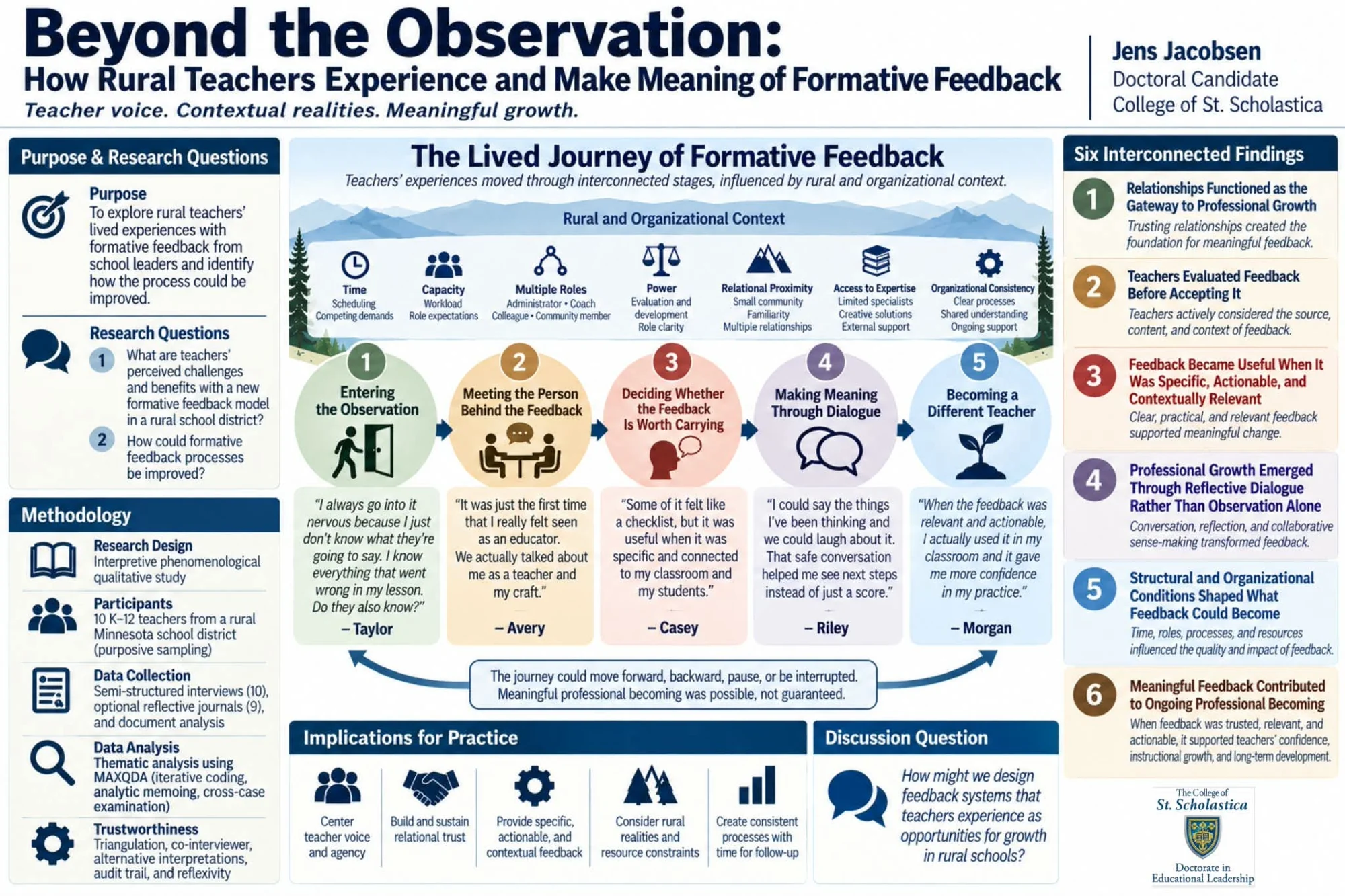
A visual summary of the lived journey of formative feedback, the six interconnected findings, and implications for rural school leaders.
 Open full poster ↗
At the 2026 CPED Convening in Corpus Christi, I shared emerging findings from interviews and reflective journals with educators interested in making formative observation feedback more useful, relational, and teacher-centered.
In the poster, findings are connected to practical questions around trust, agency, evidence, reflective dialogue, and organizational conditions.
Save conference poster image ↗Archival methodology note: the October 2026 conference poster uses the label interpretive phenomenological qualitative study. The current dissertation manuscript identifies descriptive phenomenology, which is the study design reflected throughout this website. This historical poster is preserved as presented and should not be used as a final methodological reference.
How feedback relationships and professional judgment contribute to sustainable teacher growth.
How small-school contexts, role overlap, and local relationships influence leadership practice.
How future educators learn through observation, reflection, instructional experimentation, and formative dialogue.
What rural U.S. contexts can learn through thoughtful—not superficial—comparisons with education systems such as Finland's.
I approach teacher preparation as a bridge between theory and the decisions educators make in real classrooms. I want teacher candidates to question assumptions, examine evidence, experience ambitious instruction, and build the professional judgment needed to serve diverse learners.
My higher education courses incorporate collaborative tasks, multiple representations, analysis of teaching cases, reflection, and discussion. Just as importantly, I try to make feedback useful and reciprocal so learners can make informed decisions about their own development.
Having taught in rural settings and held administrative and coaching roles, I bring examples from complex everyday school experiences while encouraging candidates to examine how context affects instructional choices.
My approach to inquiry, meaningful feedback, equitable teaching, rural context, and preparing reflective educators.
Download Teaching PhilosophyTeaching cases, high-level mathematical tasks, collaborative planning, multiple representations, and reflection anchor the work.
Illustrative synthesis of the supplied course materials; not a screenshot from the LMS.
Undergraduate and graduate teacher preparation emphasizing ambitious mathematics teaching, equity, instructional tasks, assessment, discourse, and multiple representations. Delivered through live, collaborative online sessions.
College supervision of teacher candidates through observation, mentoring, reflection, and practice-oriented feedback. Includes EDU 5500 and EDU 5350 work documented in the CV.
Documented graduate-credit course design and instruction from 2016 onward, spanning educational leadership, personalized and whole-child learning, Finland-informed education, visible learning, and research-based instructional inquiry.
Graduate-level online instruction, course facilitation, and professionally relevant discussion.
College-level mathematics taught in a high school partnership setting in rural Alaska.
EDU 3363 / 5363 · Secondary Mathematics Methods · College of St. Scholastica
Course design & continuous revision · 2025–2026
In this dual-level, four-credit course, teacher candidates examine how instructional choices shape mathematical understanding. The documented course design includes teaching-case analysis, discussion of culturally sustaining pedagogy, high-level tasks, purposeful questioning, multiple representations, student-work analysis, and lesson/unit planning.
The Phase I curriculum work established an aligned syllabus and course sequence. Phase II course building is underway, including unit objectives, assessments, discussion prompts, rubrics, and opportunities to gather feedback on major assignments. This is ongoing collaborative program work rather than a completed independent redesign.
Higher education teaching in my academic CV →Selected evidence from the course materials
The full internal syllabus and proprietary materials are not posted; selected teaching-design excerpts are presented in a separate portfolio PDF.
Fulbright-Hays curriculum project and graduate educator-learning materials connecting international perspectives to the realities of rural classrooms.
Following my 2024 Fulbright-Hays Seminars Abroad experience in Finland, I designed curriculum materials for educators to explore trust, student and staff well-being, nature-based learning, inquiry, sustainability, and global competence. The curriculum project, Global Educational Innovations: Learning from Finland, places adaptation to rural contexts at its center.
The accompanying materials show how I structure professional learning through reflection, applied tasks, collegial exchange, and clear assessment expectations. The course project includes a reflective journal sequence, a nature-based lesson or project assignment, and assessment criteria asking educators to consider creativity, feasibility, sustainability, and student well-being.
The full assignment packets are not posted. A newly written, institution-neutral portfolio excerpt summarizes the course design and assessment approach.
Portfolio descriptions grounded in the supplied Fulbright-Hays documents and educator assignment materials.
Explore my rural and international focus →Selected syllabi from 2016–2024 document a sustained focus on educational leadership, personalized learning, evidence-informed practice, and collaborative inquiry across rural school contexts.
A facilitated learning community combining leadership readings, visiting experts, student-led discussions, a seven-metric school-quality inventory, and collaborative reflection grounded in school practice.
A personalized-learning course examining academic, social, and emotional needs through evidence review, school-readiness indicators, collaborative planning, and reflective application.
Courses structured around instructional research, educator self-audits, applied classroom work, peer observation, instructional rounds, and guided reflection; one 2018 offering included co-instructors.
Graduate-credit professional learning joining educators in Alaska and Minnesota to examine instructional feedback loops, implement selected practices, and develop shared professional resources.
A concise four-page portfolio exhibit showing the learning architecture, teaching strategies, and assessment designs behind five documented course examples. It complements the existing selected teaching artifacts and course-evaluation evidence.
This is a newly written, institution-neutral synthesis—not a reproduction of university-owned syllabi. Design features are documented; unmeasured student outcomes are not claimed.
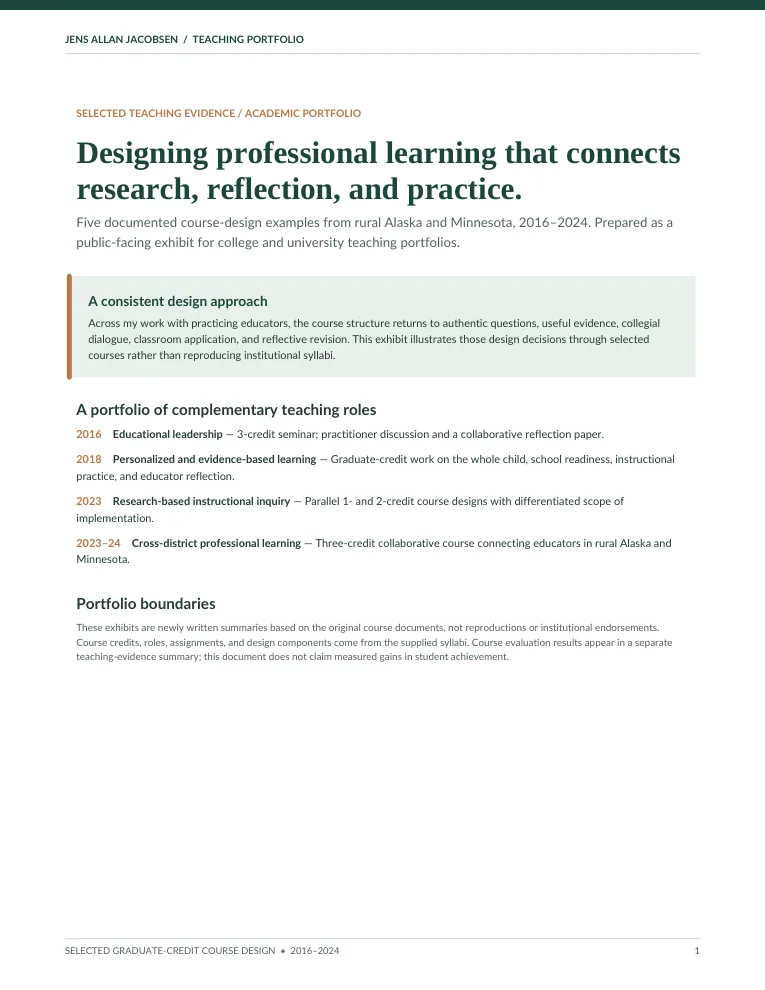
Documented examples now include curated, institution-neutral teaching-design excerpts. Original course documents and identifiable student responses are not published; selected, newly written portfolio excerpts are shared instead.
A documented four-credit methods course with standards-aligned outcomes, structured learning opportunities, undergraduate/graduate differentiation, and rubrics.
Candidates critique teaching cases, explore several representations of mathematical tasks, analyze classroom video, and collaborate during synchronous seminars.
My teaching and school leadership draw on observation, reflective dialogue, and actionable feedback; course and mentoring examples are documented with professional and learner privacy protected.
A curated look at learning objectives, instructional approaches, assessments, and learner feedback across my college and university teaching and graduate professional learning work.
The six-page selected-artifacts portfolio presents Secondary Mathematics Methods, Finland-informed educator learning, Mindframes of Visible Learning (co-facilitated), and Research-Based Instructional Practices. A complementary course-design exhibit below adds earlier leadership, personalized learning, and cross-district examples.
Rather than publishing institutional syllabi, these samples were newly formatted as institution-neutral, shorter teaching-design excerpts. The full affiliations and accurate roles remain in my academic CV.
Source materials are adapted for portfolio review; the full original syllabi and raw evaluations are not publicly distributed.
 Six-page teaching evidence portfolio
All five respondents selected Strongly Agree. Written comments highlight practical classroom action, relevant resources, and accessible instructor support.
Eight selected Strongly Agree and two Agree. Educators emphasized cross-school collaboration, rural perspectives, and opportunities to try instructional strategies.
Two responses highlighted nature-based lesson design, reflective application, and connections between Finnish approaches and local teaching contexts.
This two-page document combines course-level response counts with carefully selected comments from graduate educator learning, a 2016 Educational Leadership seminar, and an individual Secondary Mathematics Methods course review.
It documents perceived instructional value, collaboration, and reflective feedback, and also acknowledges constructive course improvement suggestions.
Seventeen spreadsheet responses across three course files; archived handwritten evaluations and one individual methods review are presented qualitatively, not added to that total. Self-reported perceptions do not establish instructional or student-achievement gains.
 Two-page evaluation evidence summary
Cook County Schools
Haines Borough School District
Nenana City School District
Nenana City School District
Alaska Native Education grant initiative
Cook County Schools / ISD 166 · District design team, 2024–2025 · Implementation framework for 2025–26
Collaborative systems leadership
I served as an HRS instructional coach on the district task force that co-developed Cook County Schools' Teacher Development & Evaluation System. Working with school leaders and teachers across grade levels, the team built on Marzano's New Art and Science of Teaching and considered Minnesota's revised Standards of Effective Practice and culturally responsive teaching expectations.
The resulting May 2025 framework brings together pre- and post-observation reflection, teacher self-assessment, peer-coaching and administrative observation roles, and a rubric with performance-area crosswalks. The team's work included iterative drafting and opportunities for faculty input. This was a collective district project with local decision-making and approval processes.
District framework (May 2025) ↗The design brief
Context: Updated Minnesota teacher development and evaluation expectations taking effect in the 2025–26 school year.
Collaborators: A teacher-administrator task force that included HRS coaches and elementary, middle, and high school teachers.
Design response: Align the performance framework with standards, preserve constructive feedback, and recognize culturally responsive practices.
Role attribution is specific: task-force design team member and co-developer, not sole author. The district-owned PDF link may require its owner's access permission.
My experience as a classroom educator in rural Alaska remains foundational to how I approach teaching in higher education and educational leadership. In May 2018, I was recognized as a BP Teacher of Excellence for dedication in the classroom.
This recognition reflects an important part of my career: the everyday work of teaching, developing mathematics and STEM learning opportunities, and building relationships in small school communities.
Contemporary news coverage (external) ↗Two examples from my ongoing instructional coaching and school-improvement work.
I developed a non-evaluative instructional rounds protocol for Cook County Schools. Small cohorts observe classroom practice, identify evidence and questions, and return to three prompts: what reaffirmed their own practice, what they want to understand better, and what they might try next. The structure treats observation as professional learning rather than a score.
Based on the district instructional rounds protocol and companion notetaking guide; educator names and internal materials are not publicly distributed.
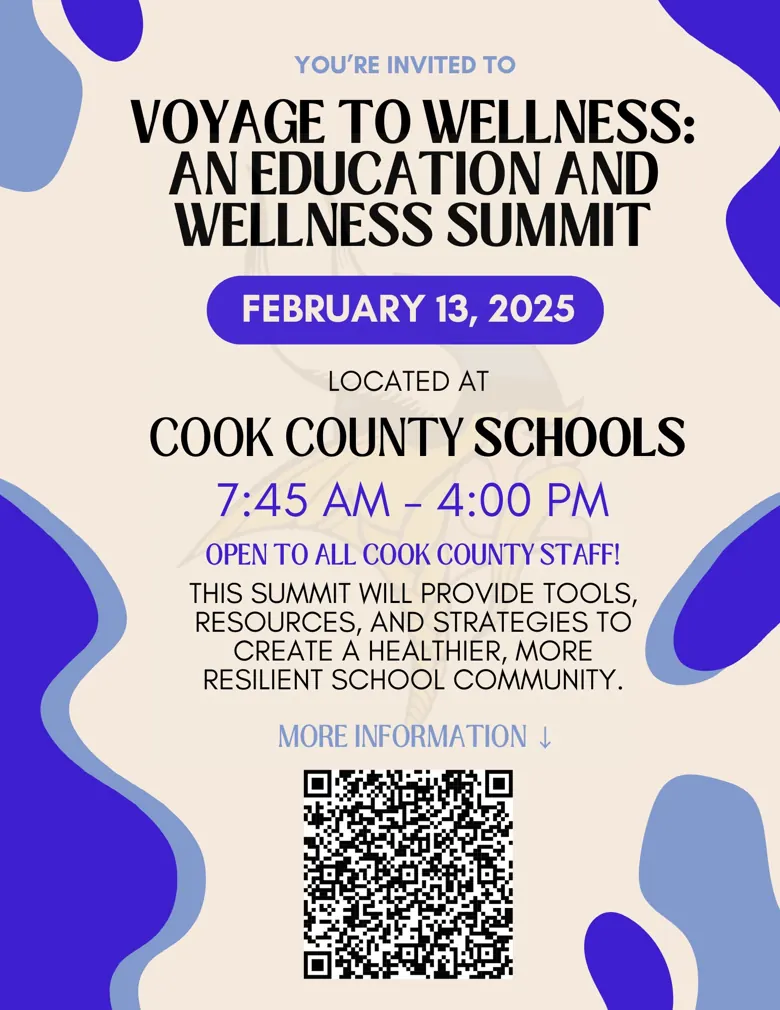
I helped co-develop and facilitate Cook County Schools' first and second district summits. One, Voyage to Wellness (February 13, 2025), brought staff together for learning about resilience, instructional practice, assessment, and support for educators. I also facilitated introductory and advanced AI sessions, focused on practical applications for teaching.
A semester-one peer-observation survey from 2022–2023 offers a documented snapshot of how teachers experienced the observation and feedback conversations I facilitated as an instructional coach.
97% selected the highest response rating.
88% selected the highest response rating.
94% selected the highest response rating.
Each item used a five-point response scale. All 33 responses to each of these three items were ratings of 4 or 5. The figures describe feedback on this specific district process; they do not measure student achievement, prove causation, or establish that 33 distinct individuals participated.
The responses indicate that participating educators generally valued the timeliness of feedback, opportunities for self-reflection, and the discussion following an observation. Open-ended responses also identified scheduling as an area to keep improving.
In a rural district, where roles overlap and time is limited, these practical experiences matter. This feedback helps me consider the quality of the professional learning experience alongside the steps needed to complete an observation cycle.
Evidence boundary: This historical coaching survey is separate from my doctoral dissertation dataset. To protect colleagues in a small community, individual written responses and the raw survey report are not posted publicly.
Explore my separate dissertation research →Creating coherent routines for collaboration, observation, coaching, and evidence-informed reflection.
Aligning funding, curriculum, assessment, and professional responsibilities with school needs.
Building on the relationships, local knowledge, and shared commitments that support rural schools.
Rural schools are often discussed through the language of distance and scarcity. Those pressures are real, but they do not tell the whole story. Small schools can also demonstrate deep community connections, flexibility, intergenerational relationships, and a strong sense of shared purpose.
My experiences across Alaska and northern Minnesota have taught me that effective educational leadership must account for place. Staff may hold several roles, professional and personal relationships may overlap, and access to specialized resources may differ from larger systems. Solutions need to be built with educators and communities rather than simply imported from elsewhere.
These experiences also shape my commitment to rural higher education, teacher preparation, school–higher education partnerships, and research that takes educators' perspectives seriously.
Teaching secondary mathematics, serving as a K–12 principal, leading STEM and curriculum work, and managing grants offered a close view of rural school systems where roles overlap and community relationships shape decisions.
At Cook County Schools, instructional coaching, professional learning systems, and community education connect my interests in educator growth with the vitality of a small, geographically distinct community.
The Fulbright-Hays Seminars Abroad experience broadened my thinking about teacher professionalism, well-being, sustainability, learning environments, and the importance of understanding the social context of education.
Four weeks of professional exchange across Finland reinforced the importance of educator trust, school–community relationships, thoughtful curriculum design, well-being, and learning in and beyond classrooms.
Teaching portfolio: Explore the Finland-informed graduate curriculum project →
As part of Demystifying the Infrastructure of Happiness in Finnish Society, I learned alongside U.S. colleagues and Finnish education professionals through school visits, university conversations, educational briefings, and time for reflection.
The experience did not offer a simple model to import into American rural schools. It challenged me to ask better questions about systems, educator autonomy, and how local contexts influence what good education looks like.
My 2026 appointment to the Friends of Fulbright Finland Alumni Council provides another way to foster these conversations and strengthen the U.S.–Finland alumni network.
Preparing aspiring educators for multi-grade classrooms, community-responsive instruction, professional isolation, and flexible roles.
Connecting clinical experiences, applied research, and professional learning to school contexts.
Examining how supportive leadership, professional voice, and working conditions influence educators' experiences. Retention effects remain a future research question.
Using comparative inquiry to ask better questions, recognize contextual differences, and avoid one-size-fits-all reforms.
A free, self-guided professional resource being developed from my dissertation research. The toolkit is designed to help rural school leaders reflect on feedback conditions, make room for teacher voice, and support meaningful follow-up.
Intended audience: school principals, instructional coaches, teacher leaders, and rural leadership teams.
Practical feedback conversations built for rural realities.
A structured self-audit of relationships, feedback usefulness, teacher agency, and supporting conditions.
Prompts and structures for purposeful 15–30 minute pre-observation conversations.
Questions and dialogue supports to move beyond one-way evaluation.
Ways to identify feasible next steps, revisit feedback, and sustain learning.
A reader-friendly overview of the study's purpose, methods, six findings, and implications.
Add approved PDFSelected graduate course designs, mathematics methods activities, and examples of reflective practice.
Add samplesSelected posters, slide decks, session abstracts, and professional learning materials.
Add mediaCurated examples of course design, school improvement, and professional learning. Internal work-in-progress and confidential information are not published here.
Collaborative district redesign grounded in Marzano's framework, Minnesota Standards of Effective Practice, and culturally responsive teaching guidance.
View source framework ↗A course design case study highlighting equitable mathematics teaching, instructional task analysis, graduate differentiation, and authentic assessments.
View teaching case study →A teacher-centered peer observation process built around noticing, validating effective practice, questioning, and identifying possible adaptations.
View leadership examples →The district framework is an external Google Drive link supplied by the author; visibility depends on district sharing settings. Additional downloadable resources can be posted once public-release permission and accessibility are confirmed.
Whether sharing research at a conference or facilitating professional learning with educators, I value conversations that connect evidence with the experiences of people doing the work.
My presentations bring together rural school perspectives, educational leadership, reflective feedback, and the practical questions that shape classrooms and communities.
Connect about a presentation →
A presentation grounded in my dissertation research on rural educators' formative observation feedback experiences.
Read about the study ↗The conference poster and presentation photographs are now available in the Research section.
A selection of presentations spanning doctoral research, college and university communities, educator leadership, Visible Learning, and rural STEM innovation.
From Compliance to Growth: Reframing Formative Feedback Through Teacher-Centered Praxis; dissemination of rural teacher-feedback research, including the Beyond the Observation poster · Corpus Christi, Texas.
Explore research poster →Alumni speaker at the graduate symposium.
Greenlight Leadership Starts with You · Co-presenter with Melissa Oberg · Leadership reflection and recognizing progress amid challenges.
View the presentation slides ↗ Summit website ↗Presented on Visible Learning and how teachers and school leaders can examine evidence to better understand their impact.
Presented on the Nenana STEM initiative, aviation programming, and opportunities supported through the Alaska Native Education Grant.
Professional learning on rural STEM education, teacher practice, curriculum, and educational leadership, including the Tanana Chiefs Conference Education Summit.
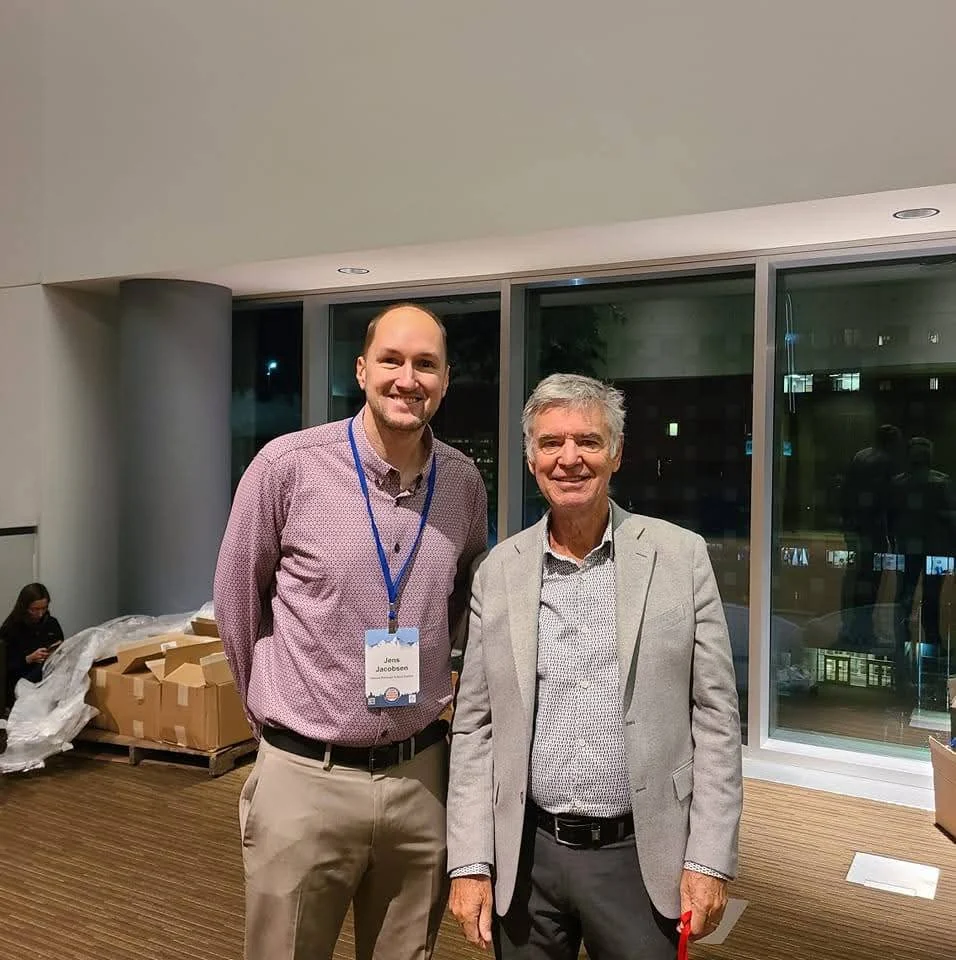
Alongside conference speaking, I facilitate local professional learning on instructional practice and technology integration.
Co-developed and facilitated district summit experiences, with workshop sessions exploring AI fundamentals, useful prompting, and classroom applications. The summit also featured a broad range of staff-led wellness and instruction sessions.
Developed a substantial research-to-practice webinar for rural Minnesota educational leaders, synthesizing teacher experiences and introducing reflection questions and possible local improvements.
What rural teachers' experiences reveal about meaningful feedback and professional agency.
Instructional coaching, multiple roles, reflective dialogue, and sustainable improvement.
Connecting clinical experiences, educational theory, and authentic teaching decisions.
Comparative perspectives on teacher professionalism, well-being, and context-sensitive learning.
For conferences, college and university seminars, professional learning, and collaborative research opportunities.
Contact about speaking ↗I am especially interested in connecting with colleges, universities, education programs, researchers, and organizations that value practice-connected teaching and research. I also welcome conversations with rural leaders working to create more meaningful professional learning systems.
Whether you are discussing a faculty position, research partnership, a conference, or a professional learning opportunity, I would be glad to hear from you.
Professional email, phone, and LinkedIn are included here for direct contact. My comprehensive academic CV is available to view and download.
Grand Marais, Minnesota, USA
Areas of collaborationHigher education teachingRural researchEducational leadershipSpeakingTeacher preparation
Academic statusEd.D. in Educational Leadership, in progress · Expected May 2027
This academic portfolio will continue to grow with publications, new resources, and examples of teaching and collaborative research.
Return to home ↑My experience brings together educator preparation and graduate instruction, rural PreK–12 school leadership, professional learning design, and emerging applied scholarship in formative feedback and teacher development.
This is my comprehensive academic CV, formatted for college and university applications. A separate Teaching Portfolio and Scholarly Research Agenda provide additional examples of my work.

Scroll within the viewer to read all six pages, or download the PDF for printing and applications.
If the PDF viewer is unavailable in your browser, use Open CV in a new tab or the Download PDF button above.